
Size Guide
Understanding Mylulusstore Sizing


Description
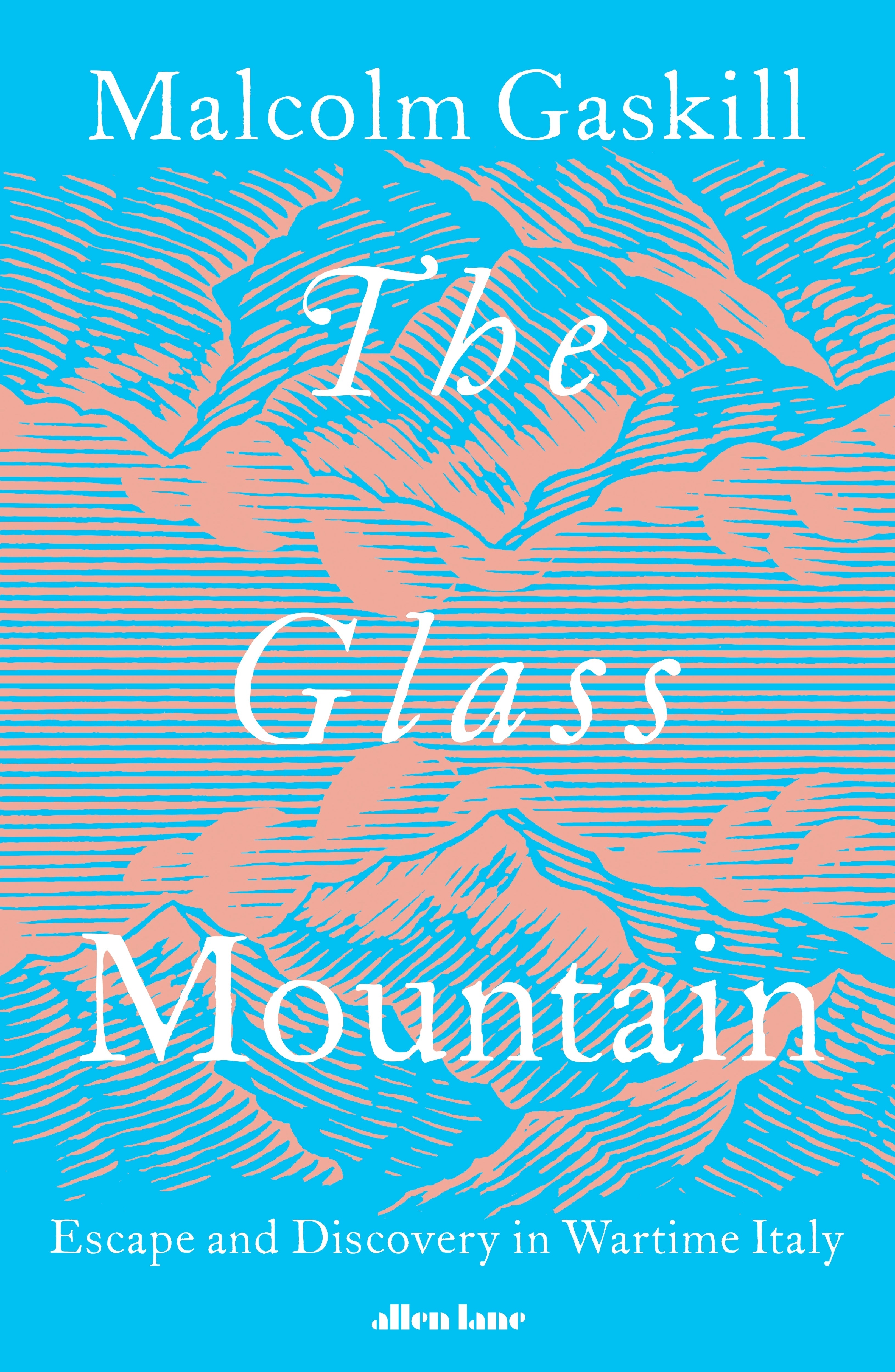
xThe author of The Ruin of All Witches returns with a gripping, vividly told journey into his family's wartime past.
Malcolm Gaskill knew two things about his great-uncle Ralph’s wartime adventures: he’d been a prisoner in Italy, and he’d cut his way out of a train with a knife and fork. Apart from that, he’d faded into family folklore, lost to view. Until, one hot afternoon in an English country garden, a chance conversation set Gaskill on his uncle’s trail…
What Ralph really did in the war was, he discovers, even more extraordinary than the exaggerations of family myth. From last-ditch fighting in the Libyan desert and incarceration in a Puglian prisoner-of-war camp, to desperate, dramatic escapes and the assuming of an entirely new identity among the peasants and partisans of the Italian Alps, Gaskill traces a life transformed by conflict, while lifting the curtain on a long-forgotten episode of the Second World War.
Yet The Glass Mountain is about more than war: it’s a haunting exploration of what it means to encounter the past, and how we remember, forget and recover it. As he follows his uncle’s path through dusty archives and the landscapes, towns and villages of present-day Italy, Gaskill finds himself confronted by questions that go to the heart of how we think about the people who came before us: Why do stories matter? How much of the past can ever be true?
- Choosing a selection results in a full page refresh.